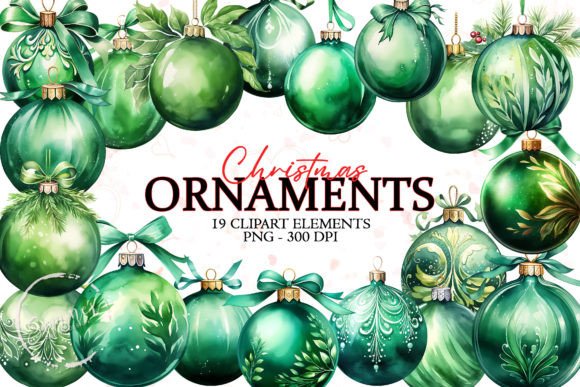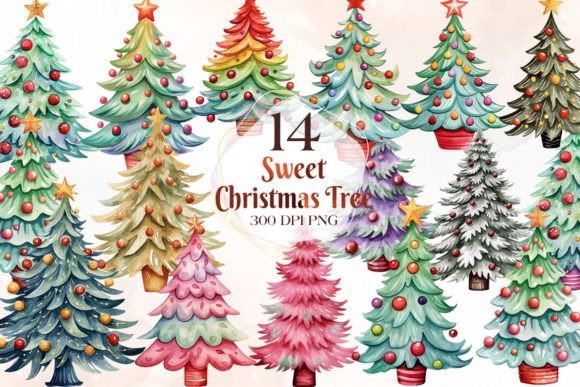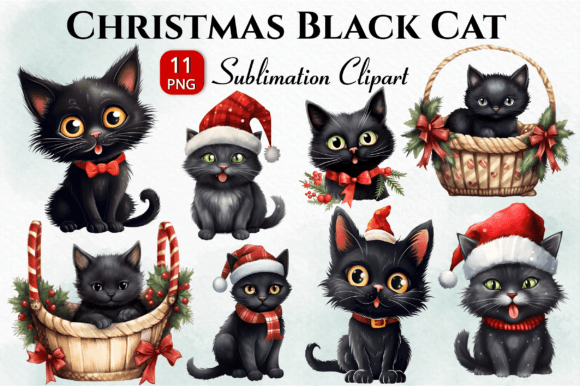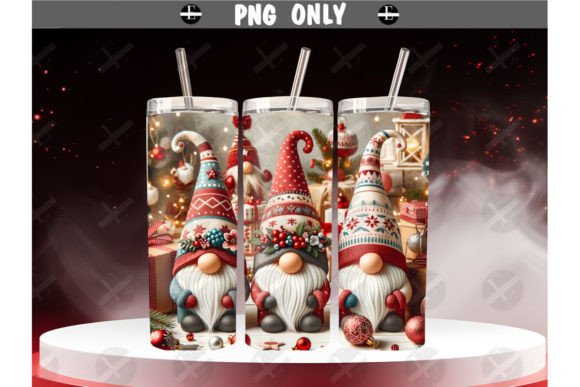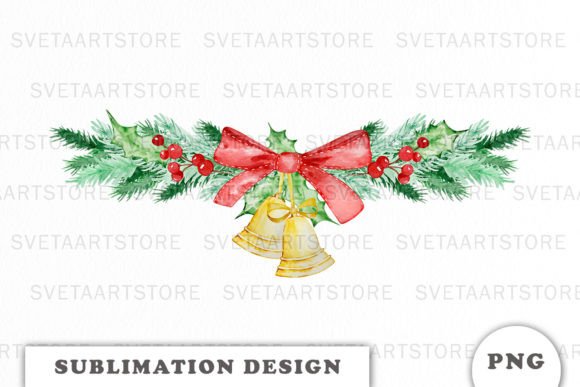
Reviewing Watercolor Christmas Decor Sublimation P for Embroidery
As a designer who spends more time staring at stitch simulations than actual snow, I approach every new machine embroidery design with a mix of curiosity and skepticism. We have all been there: you download a beautiful digital file, load it onto your machine, and watch in horror as the thread turns into a bird’s nest because the density was too high or the details were too fine for the fabric. That is why when I first opened Watercolor Christmas Decor Sublimation P, I did not just look at the pretty preview image. I looked at the structure, the flow, and the practical application.
This piece falls under the category of Illustrations, which immediately signals that we are dealing with artistic nuance rather than rigid geometric patterns. For those of us running a craft business or selling on Etsy, the difference between a generic clipart conversion and a thoughtfully adapted illustration can make or break a handmade product. Here is my honest take on how this design performs in the real world, specifically when translated from screen to stitch.
First Impressions: Mood and Visual Personality
The first thing that strikes you about Watercolor Christmas Decor Sublimation P is its softness. Unlike traditional holiday designs that rely on hard edges and stark contrasts, this design embraces a fluid, organic aesthetic. It feels warm, nostalgic, and inviting. For an embroidery project, this presents both an opportunity and a challenge. The "watercolor" effect implies gradients and blending, which we cannot achieve with thread in the same way we do with ink. Therefore, the success of this design relies heavily on how well the digitizer has interpreted those soft transitions into fill stitch directions and color changes.
In my initial review, the layout felt balanced. It does not scream for attention; instead, it invites a closer look. This subtle confidence makes it ideal for products where elegance is preferred over loud festivity. If you are aiming for a boutique feel rather than a big-box store vibe, this visual personality is exactly what you need. It suggests a story, which is crucial for creating an emotional connection with buyers looking for a personalized gift.
Real-World Application: Where This Design Shines
I recently tested a similar aesthetic on a custom order for a client who wanted holiday-themed tote bag design options for her small bakery. While Watercolor Christmas Decor Sublimation P is labeled for sublimation, adapting its visual style for embroidery requires smart material choices. I found that this design performs exceptionally well on natural fibers like cotton canvas or linen blends. The texture of these fabrics complements the organic nature of the illustration.
For sweatshirt embroidery, this design works beautifully on the left chest area. Because it avoids overly dense blocks of stitching, it remains flexible and comfortable against the body. I also envision it working well on baby embroidery projects, such as bibs or blanket corners, provided the scale is adjusted correctly. The gentle theme aligns perfectly with nursery decor, offering a sophisticated alternative to cartoonish holiday characters.
If you are an Etsy seller focusing on home goods, consider using this motif on pillow covers or kitchen towels. The key here is placement. On a tea towel, keeping the design near the hem allows the negative space to breathe, enhancing the artistic feel. For custom apparel, it serves as a stunning accent on denim jackets or corduroy shirts, where the raised texture of the thread adds depth to the watercolor-inspired shapes.
Navigating Technical Challenges
Let us be realistic: not every fabric loves every design. When working with Watercolor Christmas Decor Sublimation P, you must be mindful of stitch density. Watercolor effects often require many color stops to mimic shading. In embroidery, too many stops can lead to bulkiness, especially on thinner fabrics. If you are stitching on a lightweight cotton or a stretchy knit, you must use the appropriate stabilizer. A cut-away stabilizer is often safer for garments that will be washed frequently, ensuring the design does not pucker or distort over time.
Another critical consideration is the hoop size. Before you commit to a large batch, check the dimensions of the design. If the details are intricate, shrinking the design to fit a small 4x4 hoop might cause the satin stitch borders to become too narrow, leading to coverage issues. Always test on scrap fabric first. I recommend stitching out a sample in both light and dark thread colors to see how the contrast holds up. On dark fabric, you may need to adjust the underlay or add a white base layer to ensure the colors pop, which is essential for maintaining the clarity of the illustration.
Be cautious with curved surfaces like caps. While an embroidered patch featuring this design could work well on a hat, direct embroidery on a curved cap panel requires careful hooping and possibly a backing material to prevent shifting. The fluid lines of the design must remain smooth; any distortion will be immediately noticeable and detract from the professional look.
Enhancing Brand Value and Customer Trust
Why does the choice of design matter for your bottom line? Because consistency builds trust. When a customer sees a cohesive aesthetic across your small shop product line, they perceive higher value. Watercolor Christmas Decor Sublimation P offers a level of sophistication that can elevate your brand. It moves away from the cluttered, overly busy designs that saturate the market during the holidays.
Using high-quality design assets like this allows you to create better printable mockup images for your online listings. A clean, well-stitched design photographs better, leading to higher click-through rates. Moreover, when the finished product feels durable and looks intentional, customers are more likely to leave positive reviews and return for future purchases. It is not just about selling an item; it is about selling an experience. A well-executed holiday embroidery piece becomes a cherished keepsake, reinforcing the emotional value of your commercial embroidery efforts.
Practical Notes for the Serious Maker
Before you launch this into production, here are my final recommendations. First, verify the license terms. Just because a file is available does not mean it is free for commercial embroidery use. Confirm whether you can sell finished items or if there are restrictions on volume. Second, inspect the digital embroidery file for any unnecessary jumps or trims that might slow down your machine. Cleaning up the path can save you time and thread.
Third, consider the thread palette. Since this is based on a watercolor illustration, standard primary colors might look too harsh. Opt for variegated threads or softer pastels to mimic the original artistic intent. Finally, always document your test stitches. Take notes on tension settings, needle types, and stabilizer combinations. This data is invaluable when you scale up production for the holiday rush.
In conclusion, Watercolor Christmas Decor Sublimation P is a versatile and aesthetically pleasing addition to your library, provided you respect its technical requirements. It bridges the gap between digital art and tactile craft, offering a unique opportunity to create standout pieces in a crowded market. With careful planning and attention to detail, it can become a staple in your winter collection, delighting customers and enhancing your reputation as a skilled maker.