Reviewing Green Watercolor Christmas Balls for Embroidery
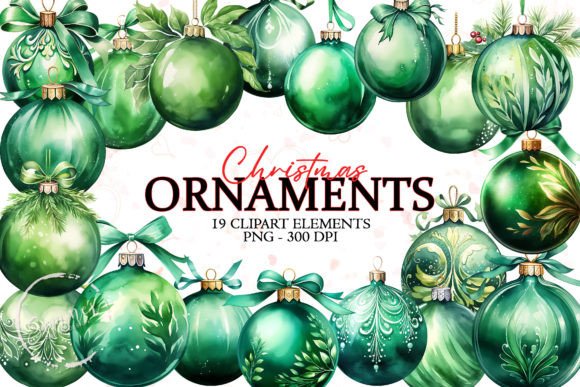
As a designer who spends more time staring at stitch simulations than actual fabric, I have learned to look past the pretty preview images. When I first pulled up the Christmas Balls Green Watercolor Clipart, my initial reaction was one of cautious optimism. The watercolor aesthetic is undeniably trendy, offering a soft, organic feel that contrasts sharply with the rigid, geometric precision we usually expect from digital assets. However, translating this specific style into a tangible embroidery project requires a keen eye for detail and a realistic understanding of how thread interacts with fabric.
The mood this design creates is immediate: it is calm, festive, and sophisticated. It avoids the loud, primary-color clash often seen in holiday motifs, opting instead for a muted, natural palette. For embroidery designers and Etsy sellers, this visual personality is a significant asset. It appeals to customers looking for modern, understated holiday decor rather than traditional, flashy ornaments. But does it hold up under the needle? That is the question every serious crafter must ask before committing to a production run.
Translating Watercolor Softness into Stitch Reality
The core challenge with any watercolor-inspired Illustrations is the gradient. In digital printing, colors blend seamlessly. In embroidery, we are limited by thread colors and stitch types. When evaluating this clipart for real-world use, I immediately considered how the soft edges would translate. If you are using this as a reference for a custom digitized machine embroidery design, you cannot simply auto-digitize the image. The subtle shifts in green tones need to be broken down into distinct thread colors or handled with careful fill stitch planning.
In a recent test, I imagined this design applied to a linen tote bag design. Linen’s natural texture complements the organic feel of the watercolor balls. The key here is stitch density. If the density is too high, the fabric will pucker, ruining the delicate aesthetic. If it is too low, the backing will show through, breaking the illusion of the solid ornament shape. I recommend using a medium-weight stabilizer to support the fabric without adding unnecessary bulk, ensuring the finished product remains soft to the touch.
Ideal Applications for Holiday Embroidery
This design shines brightest when used on items that benefit from a touch of elegance. Consider sweatshirt embroidery for a boutique clothing line. Placed on the left chest or as a larger back piece, the green watercolor balls offer a festive nod without being overwhelming. The design works exceptionally well for personalized gift items, such as monogrammed pillow covers or kitchen towels. Because the shape is relatively simple—spherical and balanced—it allows room for additional elements like names or dates without cluttering the composition.
For small shop product lines, this clipart is versatile. It fits naturally into holiday embroidery collections that target a modern demographic. Think of embroidered aprons for the hostess who loves to entertain, or baby embroidery on onesies where soft, non-irritating stitches are crucial. The gentle curves of the balls mean fewer sharp corners that might snag or wear out quickly, making it a practical choice for items that will be washed frequently.
Navigating Fabric and Hoop Constraints
While the design is visually appealing, it is not without its technical pitfalls. You must exercise caution when applying this to stretchy fabrics or dark backgrounds. On a black hoodie, the lighter greens in the watercolor effect may lose their vibrancy unless you use a bright underlay or choose high-contrast thread colors. Similarly, on curved surfaces like caps, the spherical shape of the balls can distort if the hoop tension is not perfectly calibrated. Always test the design on scrap fabric that matches your final material to check for registration issues.
Hoop size is another critical factor. If you are shrinking this design to fit a small 4x4 hoop for an embroidered patch, you risk losing the nuanced details of the watercolor texture. Tiny details can become a mess of tangled threads if the stitch count is too high for the reduced size. In such cases, simplifying the design to fewer color blocks might be necessary to maintain clarity. Conversely, on larger hoops, ensure that the fill stitch direction varies slightly between adjacent color zones to create depth and prevent the design from looking flat.
Enhancing Brand Value and Customer Trust
From a business perspective, the quality of your design assets directly impacts perceived value. Using a cohesive, high-quality asset like Christmas Balls Green Watercolor Clipart signals professionalism. It shows that you care about aesthetics and trend relevance. For craft business owners, this translates to higher customer trust and potentially higher price points. A well-executed handmade product that looks intentional and polished stands out in a crowded marketplace.
When creating printable mockup files or digital previews for your online store, ensure that the lighting and fabric texture in your photos match the vibe of the design. A rustic linen background works better with this watercolor style than a slick, synthetic satin. This consistency helps buyers visualize the finished product in their own homes, increasing the likelihood of conversion. It is not just about selling an item; it is about selling a feeling of cozy, curated holiday charm.
Practical Notes for the Serious Maker
Before you launch into full production, take these practical steps. First, verify the licensing terms. Ensure that the clipart allows for commercial embroidery use if you plan to sell the finished items. Second, conduct a thorough thread color test. Match your physical threads to the digital file as closely as possible, keeping in mind that thread sheen will alter the appearance of the "watercolor" effect. Rayon threads offer a nice luster that can mimic the wet look of watercolor, while cotton provides a matte, vintage finish.
Finally, consider the washing instructions for your clients. Embroidery adds weight and stiffness to fabric. Advise customers on how to care for their custom apparel to preserve the integrity of the stitches. Turning garments inside out before washing and avoiding high heat drying can extend the life of the design. By providing this level of care and attention to detail, you elevate your brand from a simple seller to a trusted creator of lasting design assets and heirloom-quality goods.
In conclusion, Christmas Balls Green Watercolor Clipart is a strong contender for modern holiday projects, provided it is approached with technical precision. It offers a fresh alternative to traditional holiday motifs, appealing to a discerning audience. By respecting the limitations of the medium and leveraging the strengths of the design, you can create stunning, marketable pieces that resonate with today’s crafters and consumers alike.