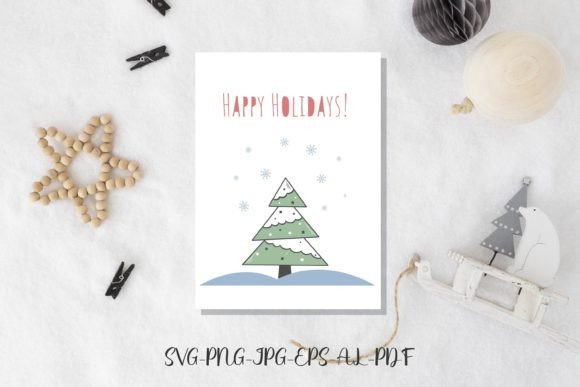
Reviewing Happy Holidays Card with Christmas Tree Illustrations
As a graphic designer who has spent over a decade refining brand identities and crafting seasonal campaigns for small businesses, I approach every new graphic design asset with a critical eye. It is not enough for an image to simply look festive; it must serve a strategic purpose within a broader visual ecosystem. Recently, I evaluated the Happy Holidays Card with Christmas Tree for a potential client project involving a boutique handmade goods shop. My goal was to determine if this specific piece of digital art could elevate their holiday marketing visuals or if it would remain merely decorative clutter.
First Impressions and Visual Mood
The initial impact of the Happy Holidays Card with Christmas Tree is one of warmth and traditional charm. The illustration does not rely on the stark minimalism that has dominated modern design trends in recent years. Instead, it leans into a cozy, nostalgic aesthetic that resonates deeply with consumers seeking comfort during the winter season. For a designer, this sets a clear tone: this asset is best suited for brands that want to appear approachable, family-oriented, and authentic.
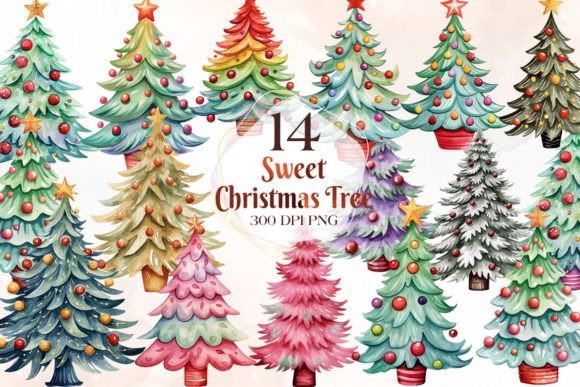
When reviewing such Illustrations, I look for balance in composition. This particular design features a central Christmas tree motif that anchors the visual weight, allowing surrounding text or secondary elements to breathe. The style suggests a hand-drawn quality, which adds a layer of human touch often missing from stock photography. This makes it an excellent candidate for handmade business branding, where the narrative of craftsmanship is paramount.
Strategic Applications in Client Projects
In a real-world scenario, versatility is key. I tested the Happy Holidays Card with Christmas Tree across various mediums to see where it performed best. For packaging design, the asset works wonderfully as a central focal point on gift boxes or hang tags. Its detailed nature draws the eye, encouraging the customer to pause and appreciate the product before purchase. When scaled down for stickers or product labels, the core elements remain recognizable, provided the background contrast is managed correctly.
For digital applications, this digital product shines in social media graphics. Imagine an Instagram post announcing a holiday sale; placing this illustration behind bold, sans-serif typography creates a layered effect that feels professional yet festive. It also serves well in email marketing headers, where the horizontal spread of the tree can frame promotional copy effectively. For those running an Etsy product line, this image can be integrated into printable design sheets, offering customers immediate value as part of a larger design bundle.
Where This Asset Excels
- Hero Graphics: Use it as the main visual on landing pages or flyer fronts to establish immediate seasonal context.
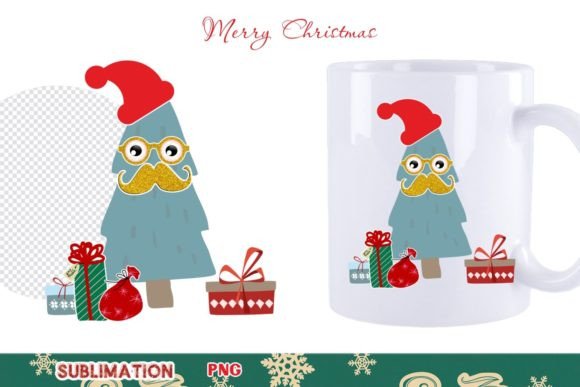
- Print-on-Demand: The detail level translates well to t-shirt design and tote bags, especially when using sublimation printing techniques.
- Editorial Design: It acts as a charming accent in blog posts or newsletters discussing holiday traditions or gift guides.
- Cricut Projects: If available as an SVG design, it allows crafters to cut intricate shapes for physical cards or home decor.
Navigating Limitations and Design Constraints
While the Happy Holidays Card with Christmas Tree is visually appealing, it is not a universal solution. Designers must exercise caution when applying it to corporate materials that require a sterile, highly professional look. The whimsical nature of the illustration may clash with strict brand guidelines that demand rigid geometric precision. Furthermore, in crowded layouts, the intricate details of the tree can compete with body text, disrupting visual hierarchy.
I advise against using this asset at very small sizes, such as favicons or tiny footer icons, where the nuances of the branches and ornaments will blur into noise. Additionally, if your project relies on a minimalist branding approach, this illustration might feel too busy. In such cases, it is better to use it as a subtle watermark or background texture rather than a primary foreground element.
Technical Considerations for Professional Use
Before delivering any final files to a client, I run a series of technical checks. First, I test the PNG design file for transparency quality. A clean edge is crucial for overlaying the tree onto colored backgrounds in Canva template creations. If an SVG design version is available, I inspect the vector paths to ensure they are closed and editable. This allows for color customization to match specific brand identity palettes, a feature that adds significant value for small business branding projects.
Contrast is another critical factor. I preview the illustration on both light and dark backgrounds. On dark navy or black, the lighter elements of the tree need to pop to maintain visibility. I also recommend testing the design in grayscale. If the image loses its definition in black and white, it may not reproduce well in newspaper ads or low-cost monochrome prints. Always confirm the commercial license terms before using the asset in client work or for resale in a creative marketplace.
Typography Pairing Recommendations
To maximize the impact of the Happy Holidays Card with Christmas Tree, typography choice is essential. I found that pairing it with a clean sans serif font creates a nice contrast between the organic lines of the tree and the structured letters. Alternatively, a flowing script font can enhance the handwritten, personal feel of the illustration, making it ideal for greeting cards. Avoid overly decorative display fonts that might compete with the detailed artwork, causing visual fatigue for the viewer.
Final Verdict for Designers and Creators
The Happy Holidays Card with Christmas Tree is a robust addition to any designer’s library of design assets. It offers a blend of traditional holiday spirit and versatile application potential. For content creators, bloggers, and marketers, it provides a quick way to inject seasonal relevance into their visuals without starting from scratch. For crafters and Cricut users, it offers a ready-made design that can be physically realized in various formats.
Ultimately, its success depends on intentional placement. When used to support a clear message in marketing visuals or to enhance the unboxing experience in packaging design, it elevates the perceived value of the brand. It is not just a picture of a tree; it is a tool for emotional connection. By understanding its strengths and respecting its limitations, designers can leverage this illustration to create memorable, engaging, and professionally polished holiday campaigns.