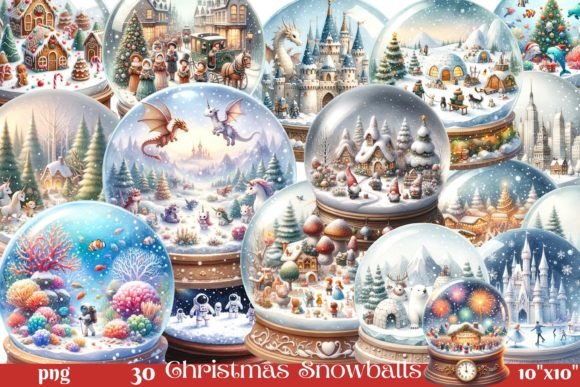
Enchanted Frost 30: A Designer’s Review
As an embroidery designer who has spent countless hours digitizing and stitching thousands of designs, I approach every new machine embroidery design with a critical eye. It is not just about whether the image looks pretty on a screen; it is about how it translates to thread, how it behaves on fabric, and ultimately, how it performs in the hands of a customer. Recently, I evaluated Enchanted Frost 30 Watercolor Christmas, a piece from the Illustrations category that promises a soft, artistic aesthetic for the holiday season. Here is my practical assessment of how this design holds up in real-world applications.
First Impressions and Visual Mood
The first thing that strikes you about Enchanted Frost 30 Watercolor Christmas is its delicate balance between whimsy and sophistication. Unlike traditional, bold holiday motifs that rely on heavy saturation and thick outlines, this design leans into the watercolor trend. The visual personality is airy and dreamlike, evoking the quiet magic of a snowy morning rather than the chaotic energy of a party. For designers and Etsy sellers, this distinction is crucial. It allows for a more mature, boutique-style product line that appeals to customers looking for subtle elegance over loud festivity.
The layout feels organic, avoiding rigid symmetry which helps it blend seamlessly into various garment types. When I visualize this as a sweatshirt embroidery piece, I see it working beautifully on the left chest or as a larger back print. The soft edges suggest a gentle touch, making it an ideal candidate for baby embroidery projects where harsh lines might feel too aggressive. However, the watercolor effect presents specific challenges in translation from pixel to stitch, which we must address carefully.
Real-World Application and Fabric Performance
To truly test the viability of Enchanted Frost 30 Watercolor Christmas, I considered several common production scenarios. Let’s look at a custom tote bag design. Tote bags are typically made from canvas or heavy cotton, which have a pronounced fabric texture. A design with fine details can get lost in the weave if the stitch density is too low. In this case, the watercolor style likely relies on varied fill stitch patterns to create gradient effects. On a textured surface, these gradients need sufficient coverage to prevent the background fabric from peeking through unintentionally, unless that transparency is part of the artistic intent.
For custom apparel like t-shirts or lightweight blouses, the stakes are higher. Thin fabrics require careful stabilization. If this design uses dense satin borders or heavy fills, it could cause puckering on a standard jersey knit. I recommend using a cut-away stabilizer for any stretchy fabric to maintain the integrity of the finished product. Conversely, on a structured item like a embroidered patch or a denim jacket, the design would likely shine. The stiffness of denim supports the weight of the threads, allowing the subtle color shifts of the watercolor effect to stand out without distortion.
I also evaluated its potential for home decor, specifically pillow covers and kitchen towels. For a holiday embroidery project on a tea towel, the design’s scale is key. If the elements are too small, they may not survive frequent washing and drying cycles. The running stitch details, often used for shading in watercolor styles, must be secure. If the design includes tiny, isolated stitches, they risk snagging. Therefore, this design is best suited for items that receive gentle care or are displayed rather than heavily used, such as decorative pillows or wall hangings.
Technical Considerations for Stitching Clarity
Translating a watercolor aesthetic into embroidery is technically demanding. The success of Enchanted Frost 30 Watercolor Christmas depends heavily on thread colors. You cannot simply use standard red and green spools. To achieve the desired look, you will need a curated palette of pastels, muted tones, and perhaps variegated threads. I strongly advise creating a printable mockup or testing the design on scrap fabric with your specific thread brand before committing to a client order. Thread sheen varies significantly between polyester and rayon, affecting how the light hits the "paint" strokes.
Another critical factor is the hoop size. Ensure that the design fits comfortably within your machine’s maximum hoop area with adequate margin for stabilization. If you are planning to use this on curved surfaces like caps, be aware that the watercolor effect might distort if the fabric pulls unevenly. Caps require specialized backing and often benefit from simpler, bolder designs. While Enchanted Frost 30 Watercolor Christmas is beautiful, it may lose its nuance on the tight curve of a baseball cap unless scaled down significantly, which could compromise detail clarity.
For those considering this as an applique design, check if the file includes cut files or placement stitches. Applique can be an excellent way to mimic watercolor textures by using fabric swatches instead of thread fills, reducing bulk and stitch count. If the design supports this, it opens up creative possibilities for mixing textiles, adding a tactile dimension to your small shop product offerings.
Commercial Value and Brand Consistency
From a business perspective, Enchanted Frost 30 Watercolor Christmas adds significant value to a craft business focused on high-end, personalized goods. It differentiates your inventory from the mass-produced, generic holiday items found in big-box stores. Customers perceive watercolor-style embroidery as artisanal and unique, which justifies a higher price point. It enhances brand consistency for shops that specialize in soft, romantic, or modern farmhouse aesthetics.
However, professionalism is paramount. Before listing this as a digital embroidery file or selling finished items, verify the licensing terms. Not all designs allow for commercial use, and those that do may have restrictions on the number of units produced. Always confirm these details to protect your business. Additionally, when marketing this design, use high-quality photography that captures the texture of the stitches. A flat photo will not do justice to the depth created by the layering of threads. Show the design on actual garments to help buyers visualize the personalized gift potential.
Practical Designer Notes for Best Results
- Test on Scrap Fabric: Always stitch a sample on the same type of fabric you intend to use for the final product. This reveals issues with tension, density, and color blending.
- Check Contrast: View the design in black and white to ensure the shapes are distinct. If the values are too similar, the design will look muddy from a distance.
- Stabilizer Selection: Match your stabilizer to your fabric. Use tear-away for stable woven fabrics and cut-away for knits to prevent distortion.
- Thread Quality: Invest in high-quality rayon or polyester threads. Cheap thread can break during stitching and lacks the luster needed for a premium look.
- Scale Appropriately: Do not shrink the design beyond its recommended minimum size. Tiny details will become unrecognizable blobs of thread.
- Verify File Formats: Ensure you have the correct embroidery file format for your machine (e.g., PES, DST, JEF) to avoid conversion errors that can alter stitch paths.
In conclusion, Enchanted Frost 30 Watercolor Christmas is a compelling addition to your design assets library, provided you respect its technical requirements. It is not a plug-and-play solution for every fabric or garment, but with careful planning and execution, it can elevate your commercial embroidery projects. By focusing on fabric compatibility, thread selection, and proper stabilization, you can transform this digital illustration into a tangible, cherished handmade product that resonates with customers seeking beauty and warmth in their holiday celebrations.