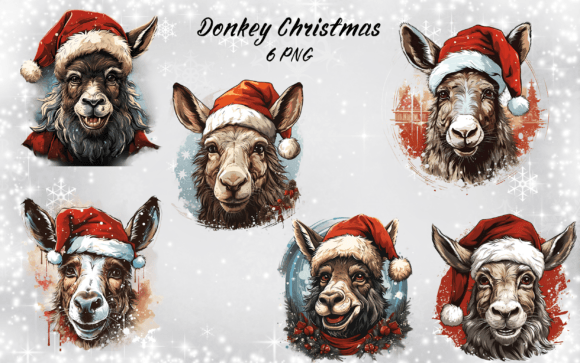
Donkey Christmas Clipart: Illustrations for Festive Blogs
As a digital publisher who has spent over a decade refining the visual identity of content-heavy websites, I have learned that the difference between a scroll-past and a click-through often comes down to milliseconds of visual processing. When I first opened the file package for Donkey Christmas Clipart, my immediate reaction was not just about the cuteness factor, but about its utility in a crowded digital landscape. In the world of editorial design, assets need to do more than just look pretty; they need to communicate tone, support branding, and integrate seamlessly into complex layouts. This review explores how this specific collection serves as a versatile graphic design asset for bloggers, affiliate marketers, and small business owners preparing their end-of-year content strategy.
First Impressions and Editorial Mood
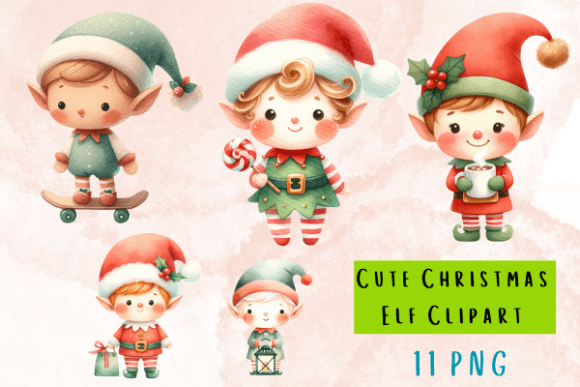
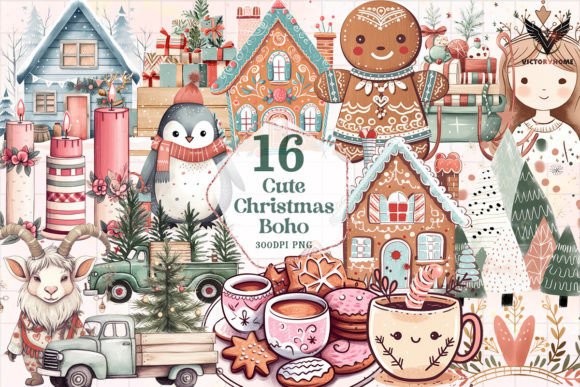
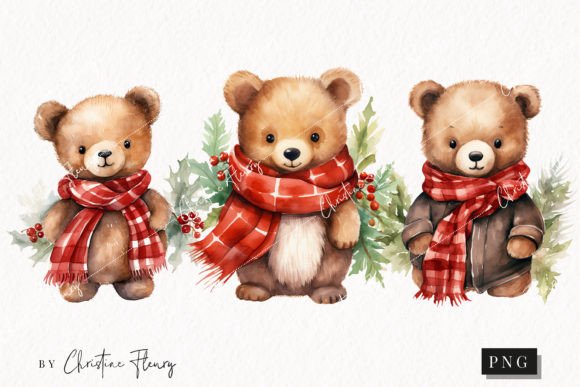
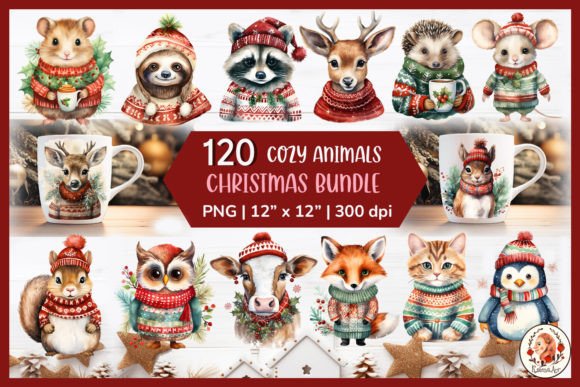
The initial visual impact of these Illustrations is warm, whimsical, and distinctly seasonal. Unlike generic stock photography that can feel sterile or overused, hand-drawn or stylized clipart offers a layer of authenticity that modern readers crave. The donkey motif, traditionally associated with humility and service, takes on a playful yet respectful tone in this collection. It creates an editorial mood that is approachable and family-friendly, making it ideal for lifestyle blogs, parenting niches, educational platforms, and faith-based publications.
For a blog designer, the style strikes a balance between playful and polished. It does not scream "amateur hour" with messy lines, nor does it feel cold and corporate. Instead, it sits comfortably in the realm of modern, boutique aesthetics. This is crucial for establishing brand identity. When a reader lands on your homepage during the holiday season, these visuals signal that your content is current, curated, and crafted with care. It supports a narrative of warmth and tradition, which is essential for building reader trust during the high-traffic holiday shopping and reading period.
Integrating Assets into Real Publishing Workflows
The true test of any digital download is its flexibility across various content formats. I evaluated how Donkey Christmas Clipart performs in real-world publishing scenarios, from high-resolution printables to compressed web graphics. Here is how these assets can elevate your content marketing efforts:
- Blog Featured Images: Use the larger, detailed illustrations as the focal point of your article headers. They provide a clear subject that draws the eye before the reader even processes the headline.
- Pinterest Pins: Vertical layouts thrive with character-driven art. These illustrations work exceptionally well on Pinterest, where whimsical, high-contrast images tend to generate higher save rates and click-throughs.
- Newsletter Graphics: Email clients often strip complex CSS, but embedded images remain safe. Using these clips in your holiday newsletter headers can increase open rates by adding a festive touch to the preview text.
- Digital Products and Lead Magnets: If you are creating a digital guide, worksheet, or eBook cover, these elements add professional polish without requiring custom illustration commissions. They are perfect for creating cohesive printable design packages.
- Social Media Graphics: For Instagram stories or Facebook posts, the isolated elements allow for easy layering over colored backgrounds or textured paper effects, maintaining a consistent visual hierarchy.
Enhancing Content Performance and Visual Hierarchy
In web design, every pixel must earn its place. One of the strongest advantages of using themed clipart like this is the ability to create a stronger visual hierarchy. When you pair a clean, sans-serif headline with a charming donkey illustration, you create a contrast that guides the reader’s eye. The image acts as an anchor, breaking up text-heavy layouts and reducing cognitive load.
Furthermore, consistent use of these assets strengthens your small business branding. If you use similar stylistic elements across your website header, social media profiles, and downloadable resources, you create a recognizable visual language. This consistency leads to better category recognition. Readers begin to associate that specific whimsical style with your brand voice, which is invaluable for long-term audience retention. For affiliate marketing sites, where trust is paramount, high-quality, non-generic visuals can subtly signal that the site is actively maintained and professionally managed, thereby improving conversion potential.
Strategic Placement and Design Considerations
While these design assets are versatile, they are not one-size-fits-all. Understanding where they work best is key to maximizing their impact. They shine in hero images, article thumbnails, and as decorative accents in editorial layouts. They are particularly effective in Canva template creations, where users can drag and drop elements to create custom invitations, gift tags, or party planners.
However, caution is advised in certain contexts. Avoid using these illustrations in small mobile thumbnails where intricate details may become muddy or unrecognizable. They should also be used sparingly in text-heavy blog images, as they can compete with readability if not properly spaced. Additionally, for serious professional niches such as legal advice, financial consulting, or corporate B2B content, the playful nature of a donkey might undermine the authority of the message. Always consider the tonal alignment between the image and the accompanying copy.
Practical Publisher Notes for Implementation
Before deploying Donkey Christmas Clipart across your digital properties, I recommend a rigorous testing phase. As an experienced publisher, I always follow this checklist to ensure optimal performance:
- Device Testing: Preview the images on both desktop and mobile screens. Ensure the lines remain crisp and the colors vibrant on smaller displays.
- Thumbnail Legibility: Check how the illustration looks when scaled down to a blog archive thumbnail. If key features are lost, consider cropping or simplifying the composition.
- Typography Pairing: Experiment with different font styles. These illustrations often pair beautifully with serif fonts for a traditional look, or handwritten fonts for a personal, diary-like feel. Avoid overly decorative display fonts that might clash with the artwork.
- Contrast and Readability: Test the assets against various background colors. Ensure there is sufficient contrast so the image does not blend into the page background, especially for users with visual impairments.
- File Optimization: Review file sizes for web performance. Large, uncompressed images can slow down page load times, negatively affecting SEO. Use tools to compress images properly without sacrificing quality.
- Licensing Verification: Always confirm the commercial license terms. If you are using these assets on monetized websites, affiliate pages, or in paid content products, ensure your usage rights are clear and compliant.
In conclusion, Donkey Christmas Clipart represents more than just seasonal decoration; it is a strategic tool for enhancing content marketing visuals. By integrating these Illustrations thoughtfully into your blog graphics and social media graphics, you can create a more engaging, trustworthy, and visually cohesive online presence. Whether you are designing a lead magnet or refreshing your website header, these assets offer the creative flexibility needed to stand out in the bustling creative marketplace of the holiday season.